About Us
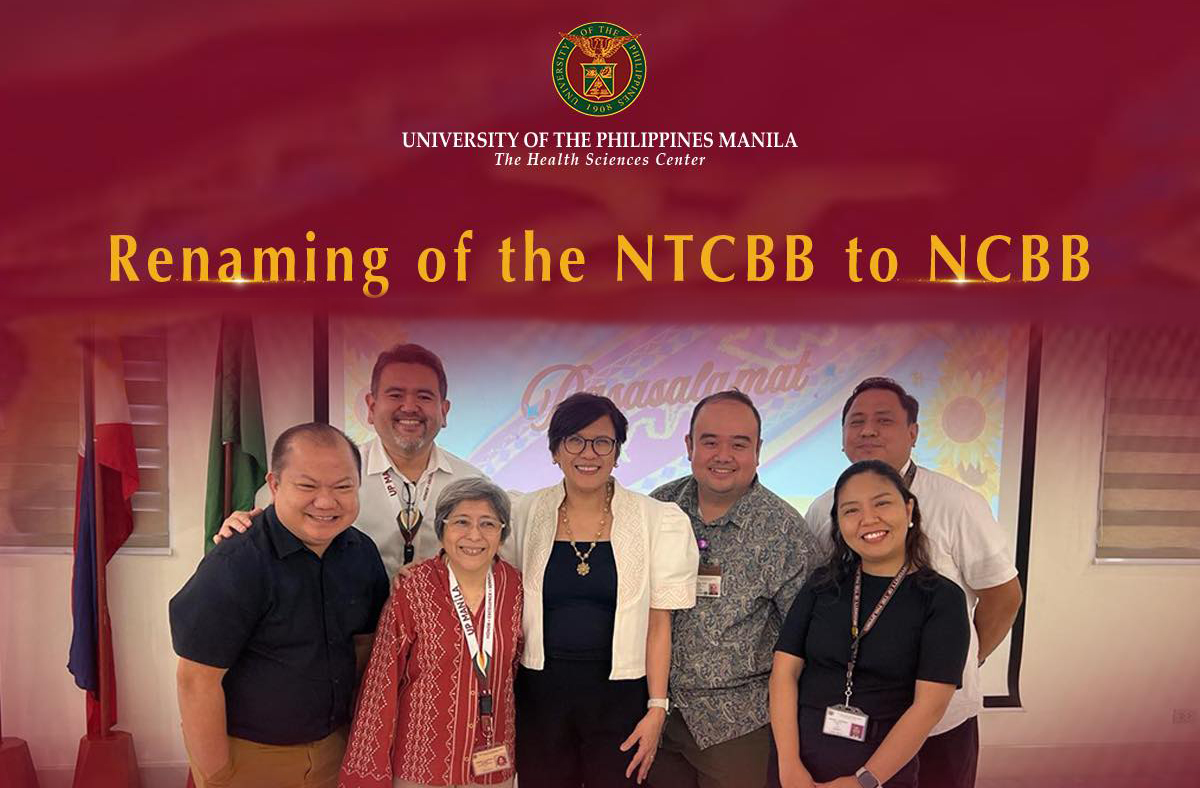
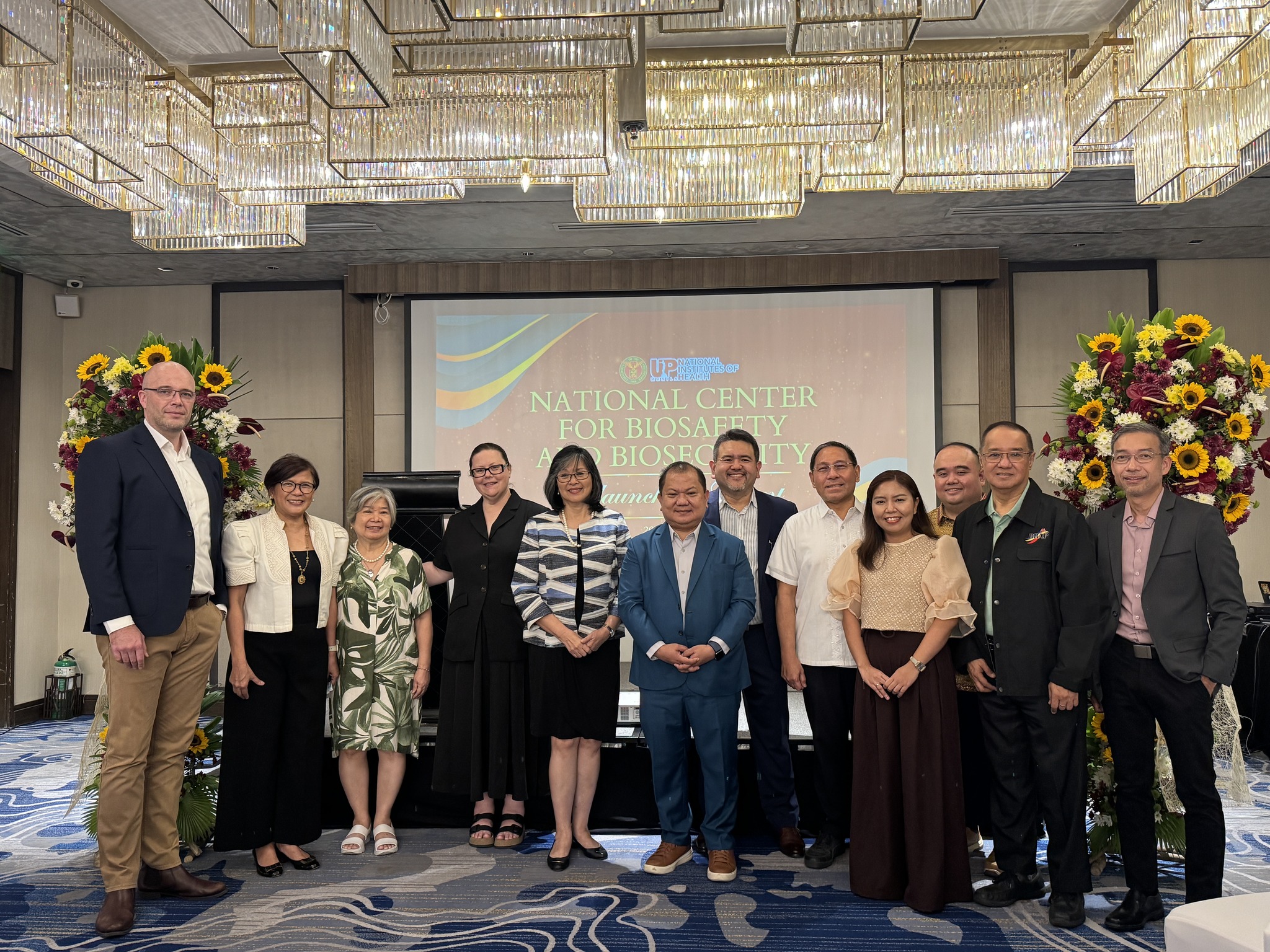
Founded from a national need to ensure safe and responsible scientific discovery, the National Center for Biosafety and Biosecurity (NCBB) traces its roots to the UP National Institutes of Health, where efforts to strengthen infectious disease diagnostics revealed critical gaps in biosafety and biosecurity governance in the Philippines. Beginning in 2008 through international training and local capacity building, Filipino experts pioneered a train-the-trainer approach that produced globally certified biosafety professionals. These efforts led to the formal establishment of the Center in 2018 as the National Training Center for Biosafety and Biosecurity, later renamed NCBB in 2025. Today, NCBB serves as the country’s leading institution for biosafety and biosecurity training, certification, and technical support, advancing a One Health approach that protects people, animals, and the environment.
Latest News

Training List
01
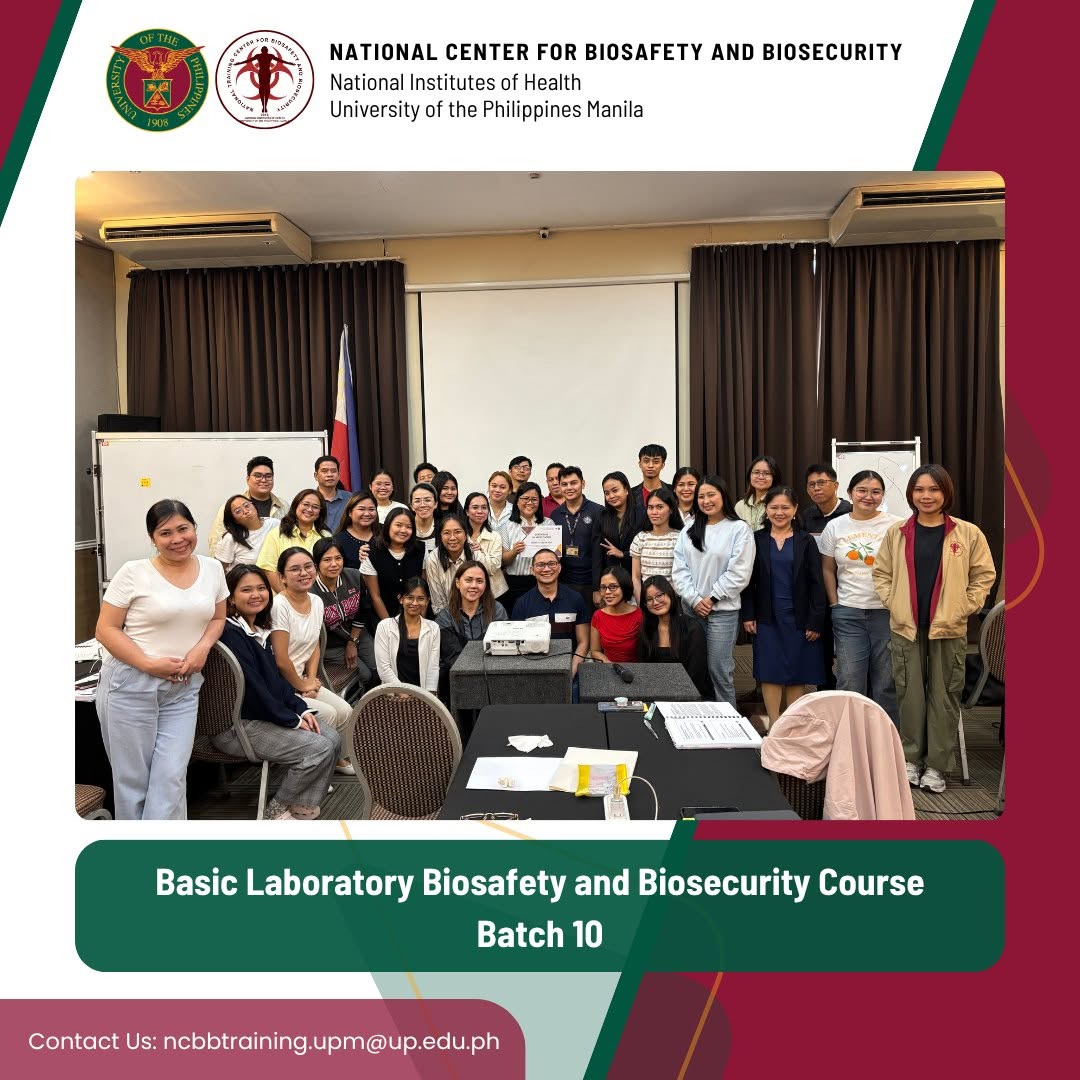
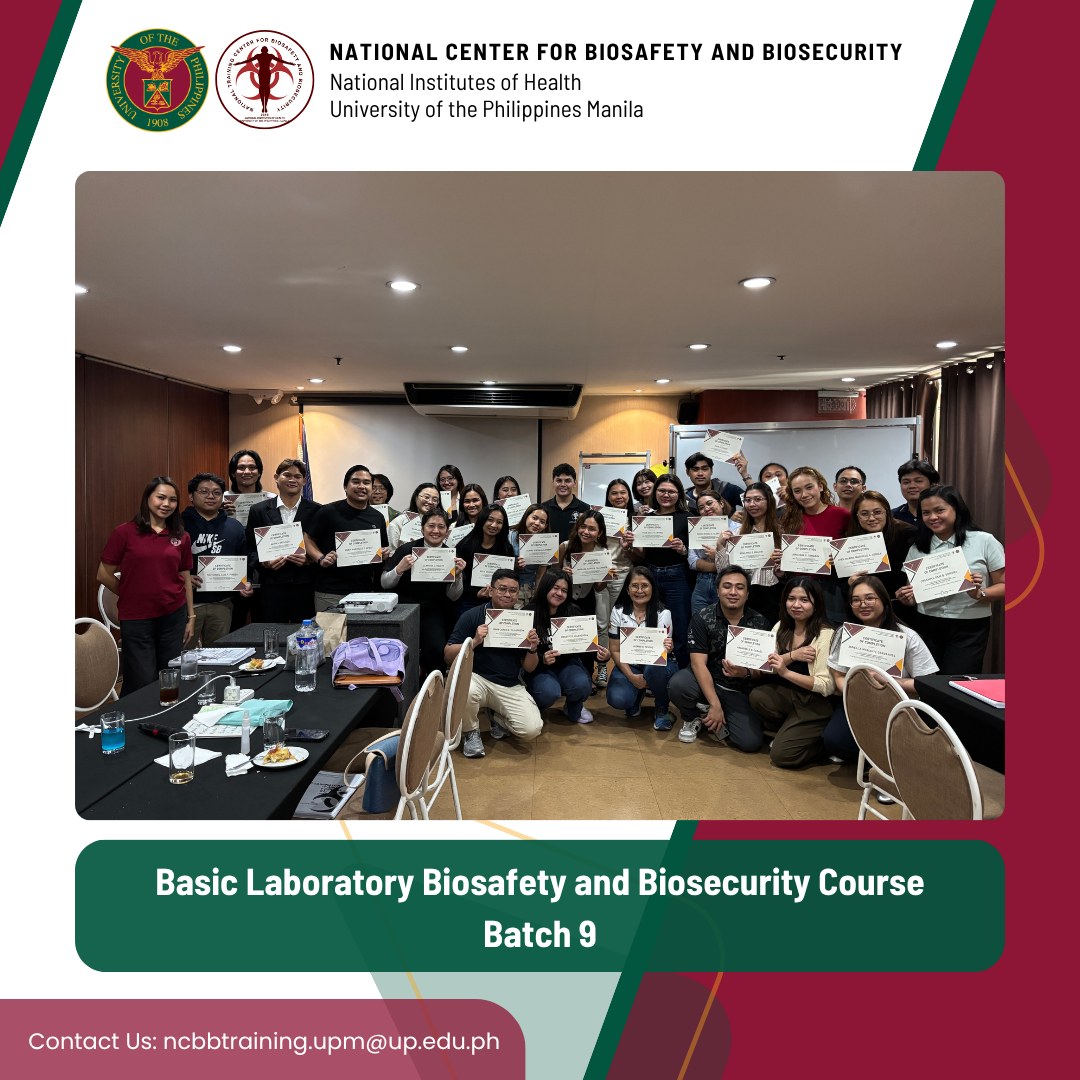
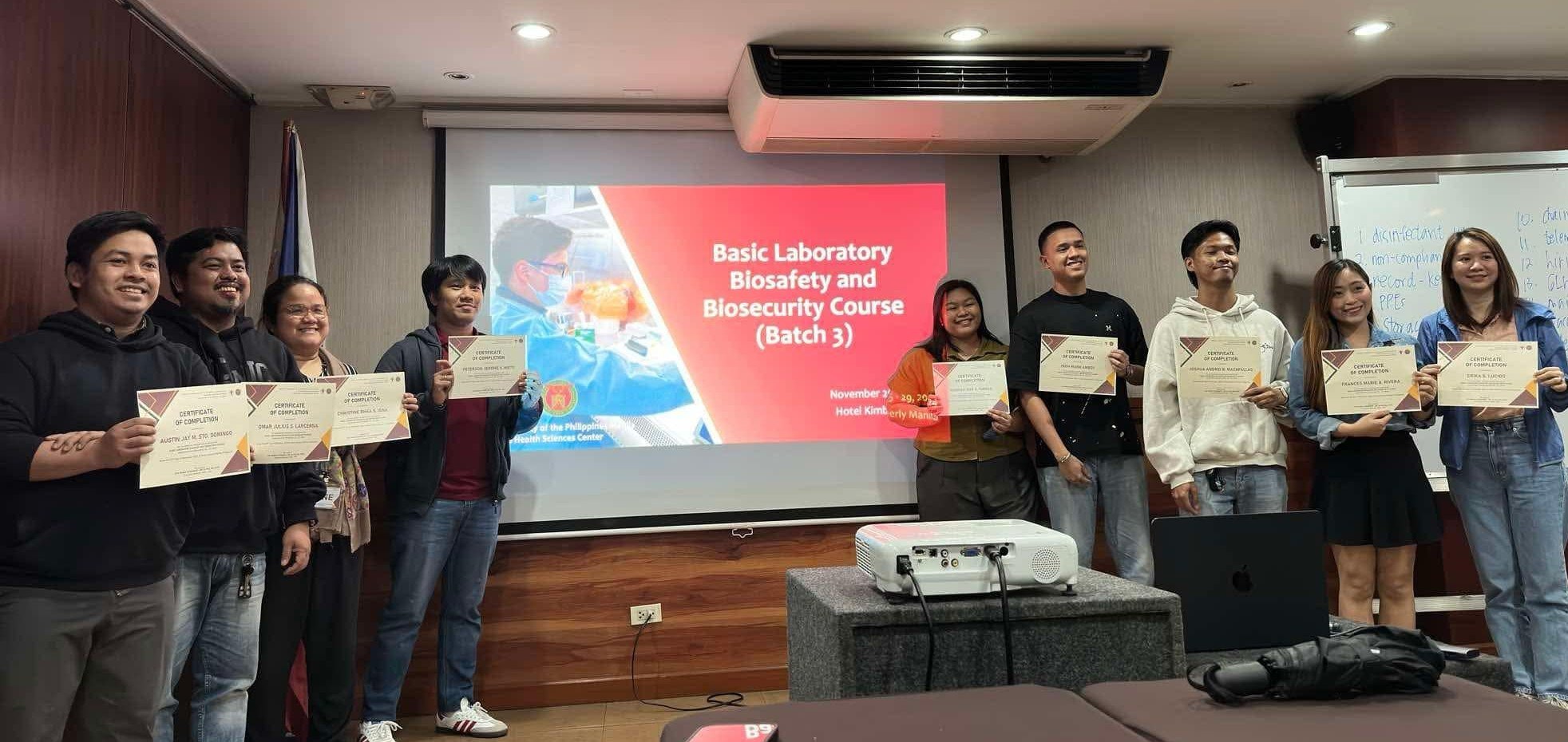
Basic Laboratory Biosafety Biosecurity Course
A 5-day onsite course that tackles basic concepts of biosafety and biosecurity in the country, in compliance with DOH AO 2021-0037.
02
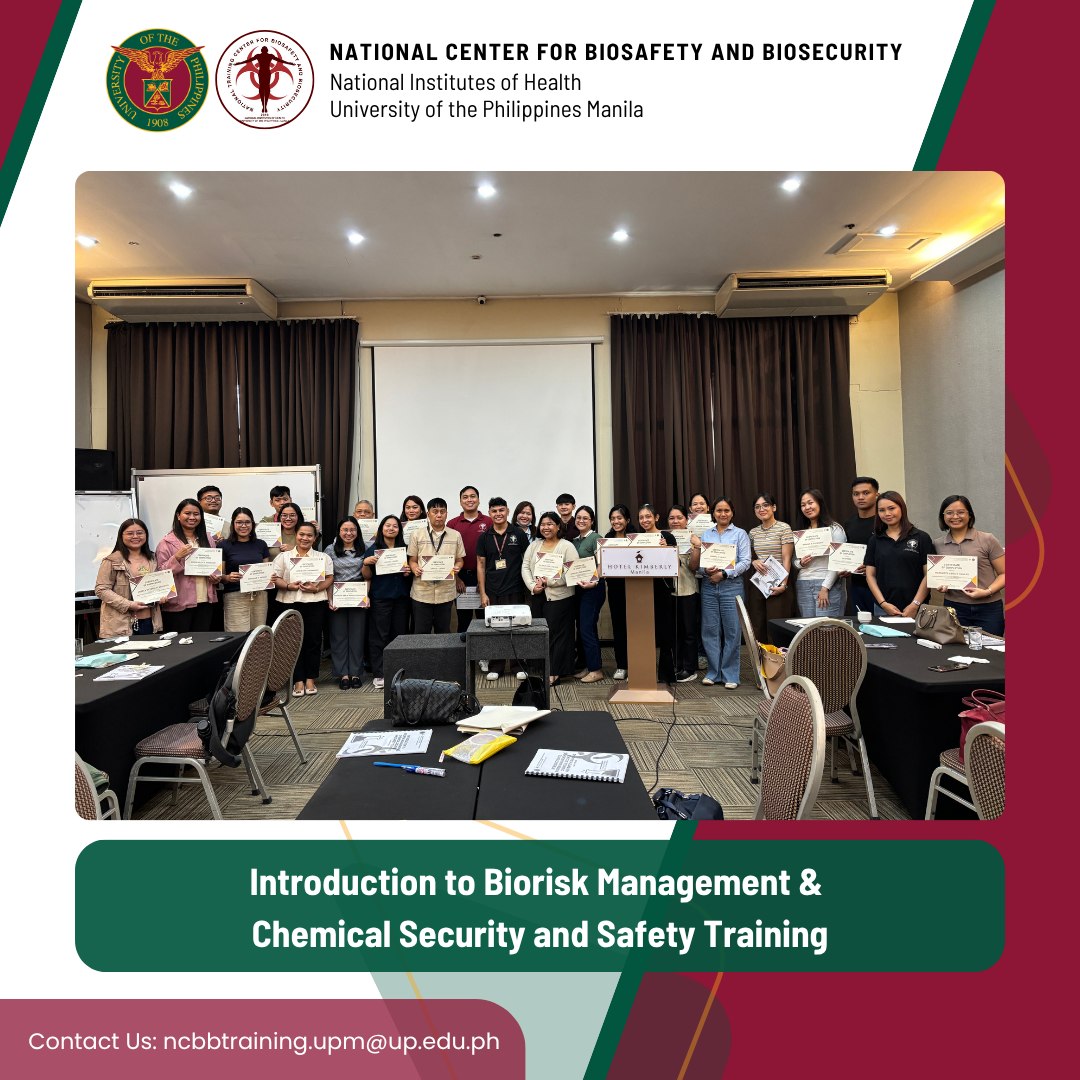
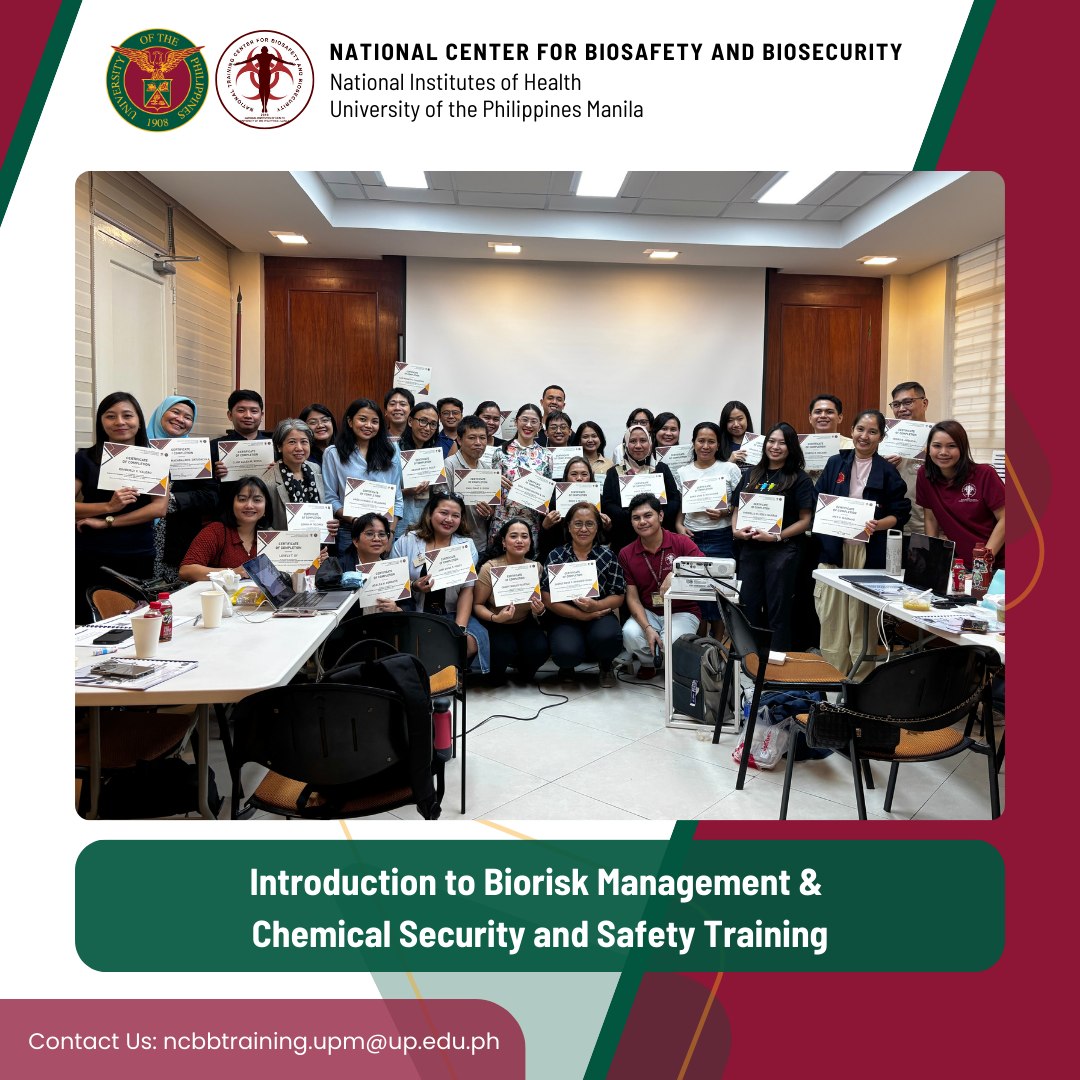
Introduction to Biorisk Management and Chemical Safety and Security
An onsite course that focuses on chemical threats, vulnerabilities, and potential consequences to prioritize security needs and design risk-based security controls to effectively deter, detect, and delay potential chemical threats
03
Institutional Biosafety and Biosecurity Training
An onsite course that focuses on the code of ethics and institutional biosafety and biosecurity committees in the Philippines and their responsibilities.
04
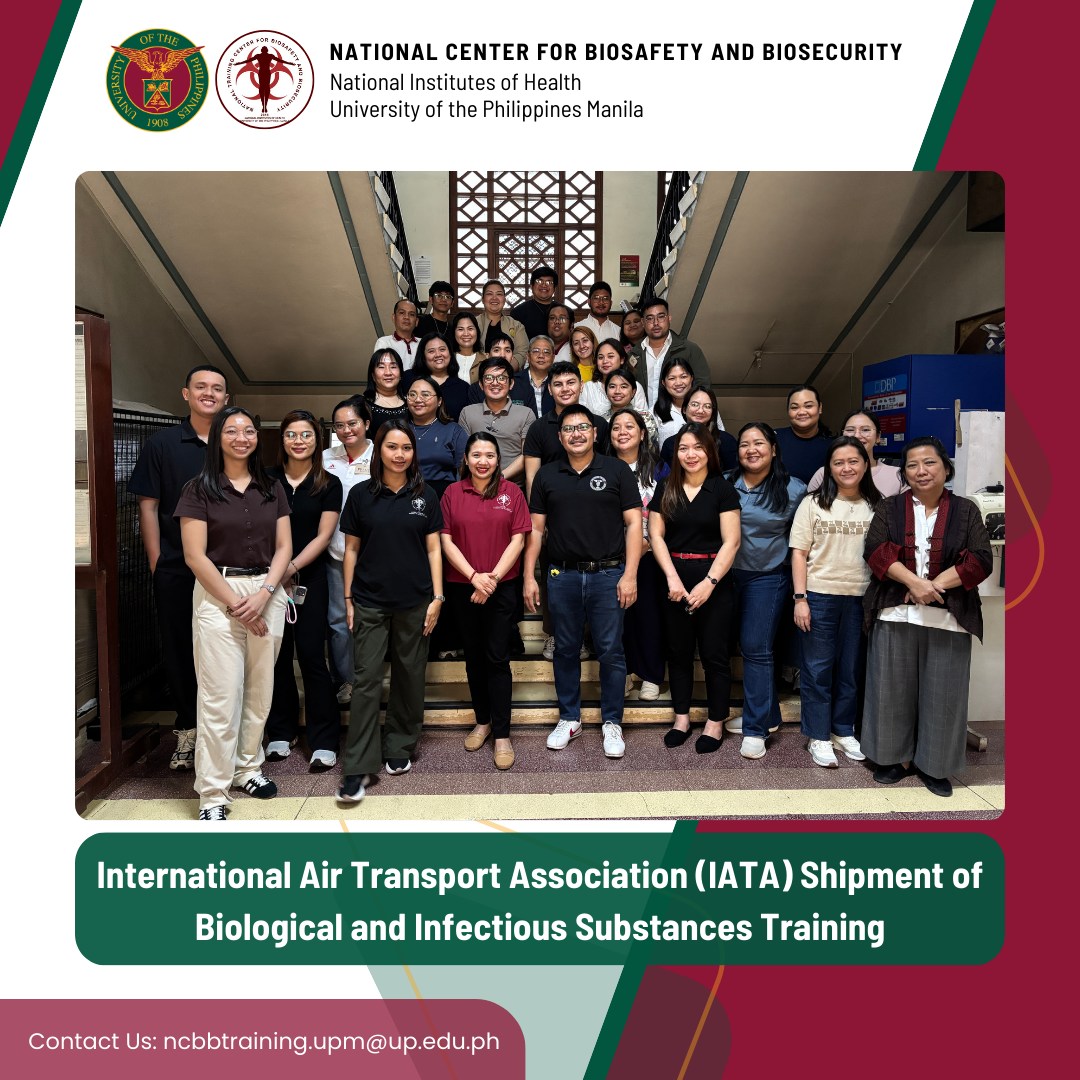
Shipping of Infectious Biological Samples
An onsite course which focuses on handling infectious substances in the laboratory which will undergo shipment should be properly monitored and executed to ensure no accident will occur. On that note, the center offers a shipping course following the International Air Transport Association Regulations. The program aims to show the importance of IATA regulations compliance and explain biological materials classification, transport packaging and shipment based on the domestic and international standards.
05
Personnel Reliability Program and Dual Use Research of Concern
An onsite course which equips participants with the knowledge to uphold safety, security, and ethical responsibility in research settings.