Institutional Biosafety and Biosecurity Training
Course Overview
The Institutional Biosafety and Biosecurity Training is an onsite course designed to strengthen institutional governance and ethical responsibility in the implementation of biosafety and biosecurity programs in the Philippines.
The course focuses on the code of ethics, national policies, and the roles, functions, and responsibilities of Institutional Biosafety and Biosecurity Committees (IBBCs) and related oversight bodies. Emphasis is placed on ethical decision-making, regulatory compliance, risk oversight, and accountability in laboratories and research institutions handling biological agents.
Through lectures, guided discussions, and case-based exercises, participants will gain practical insights into establishing, managing, and sustaining effective institutional biosafety and biosecurity systems that protect personnel, the community, and the environment while supporting responsible research and laboratory operations.
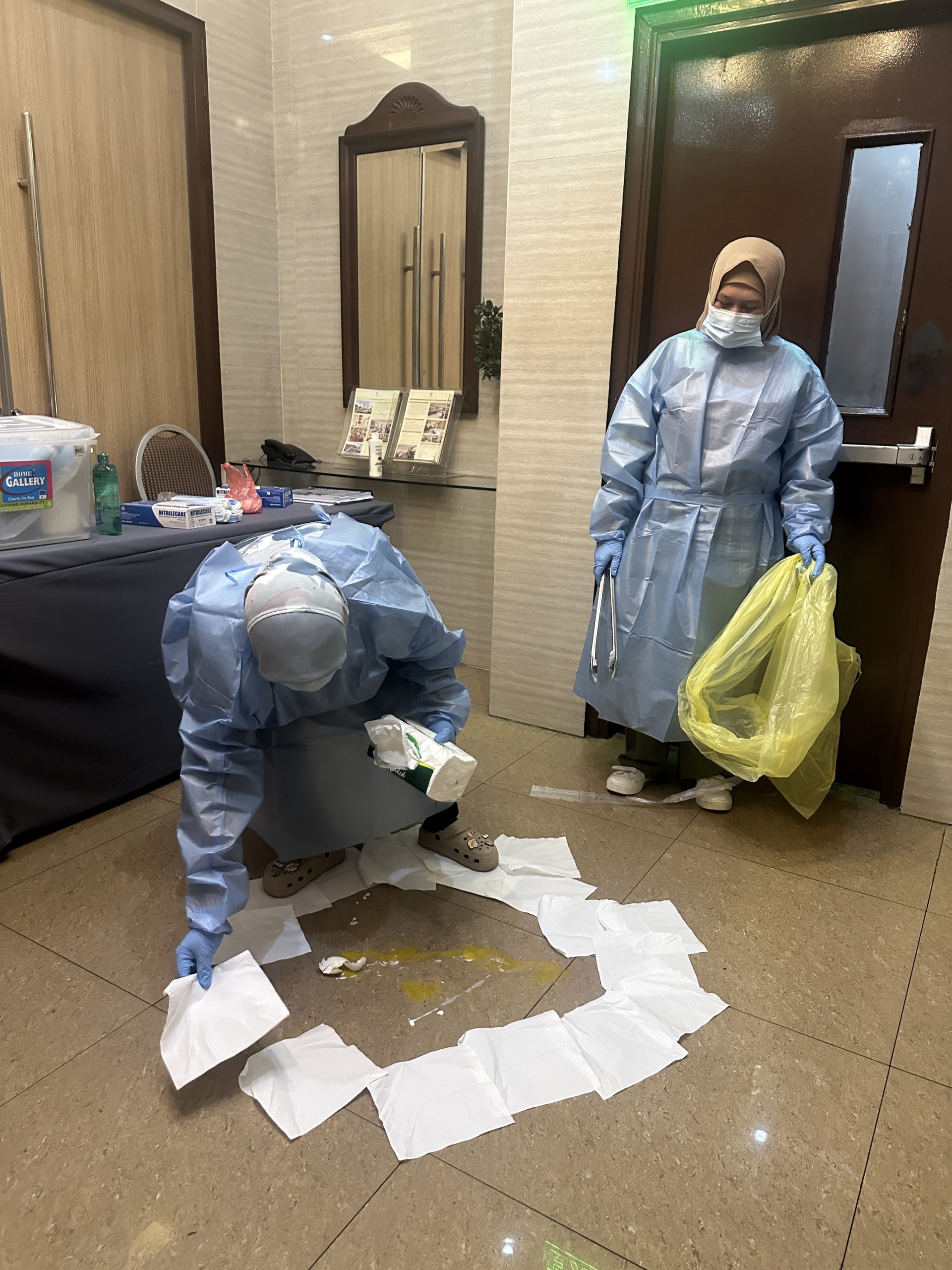
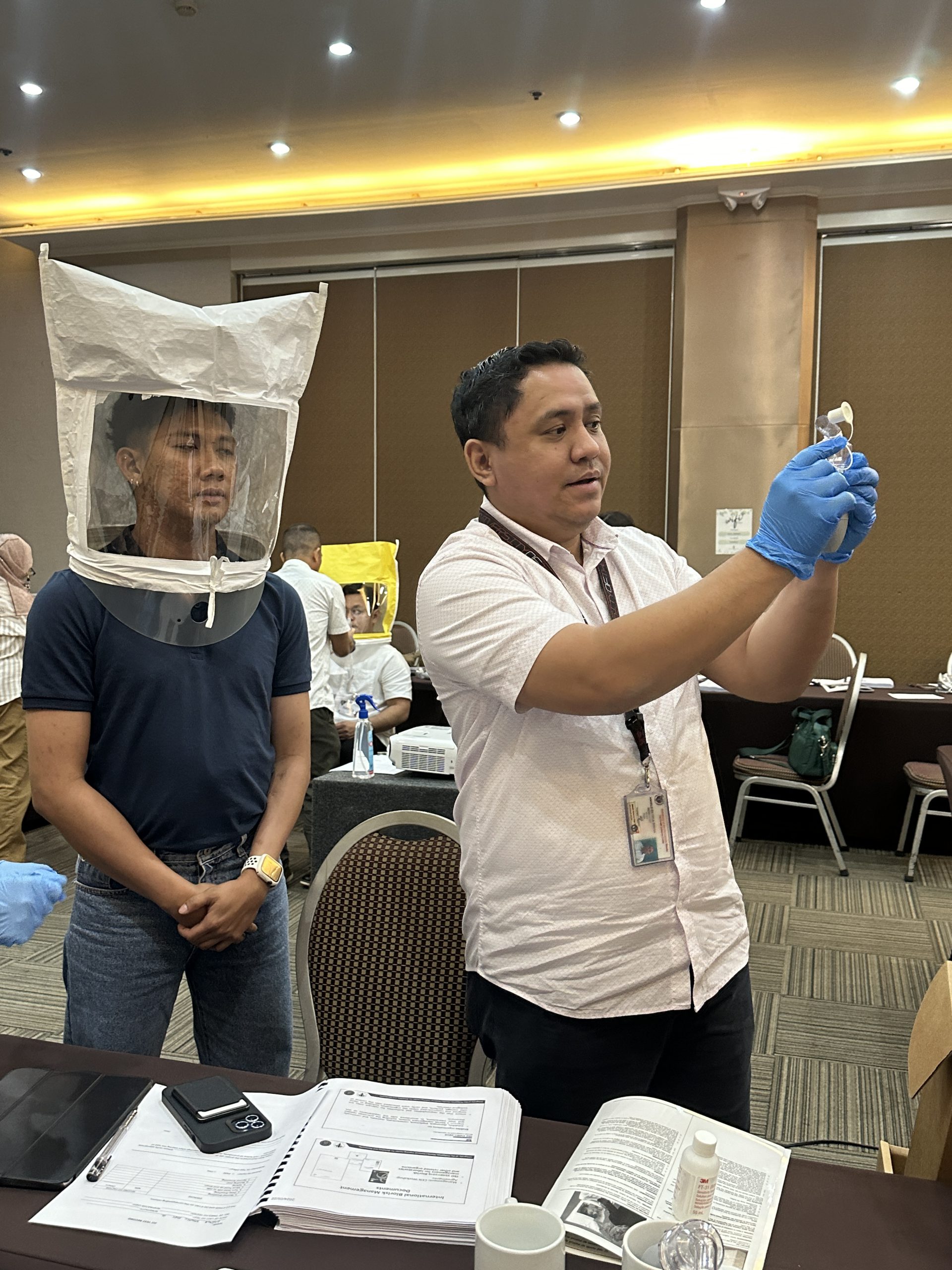
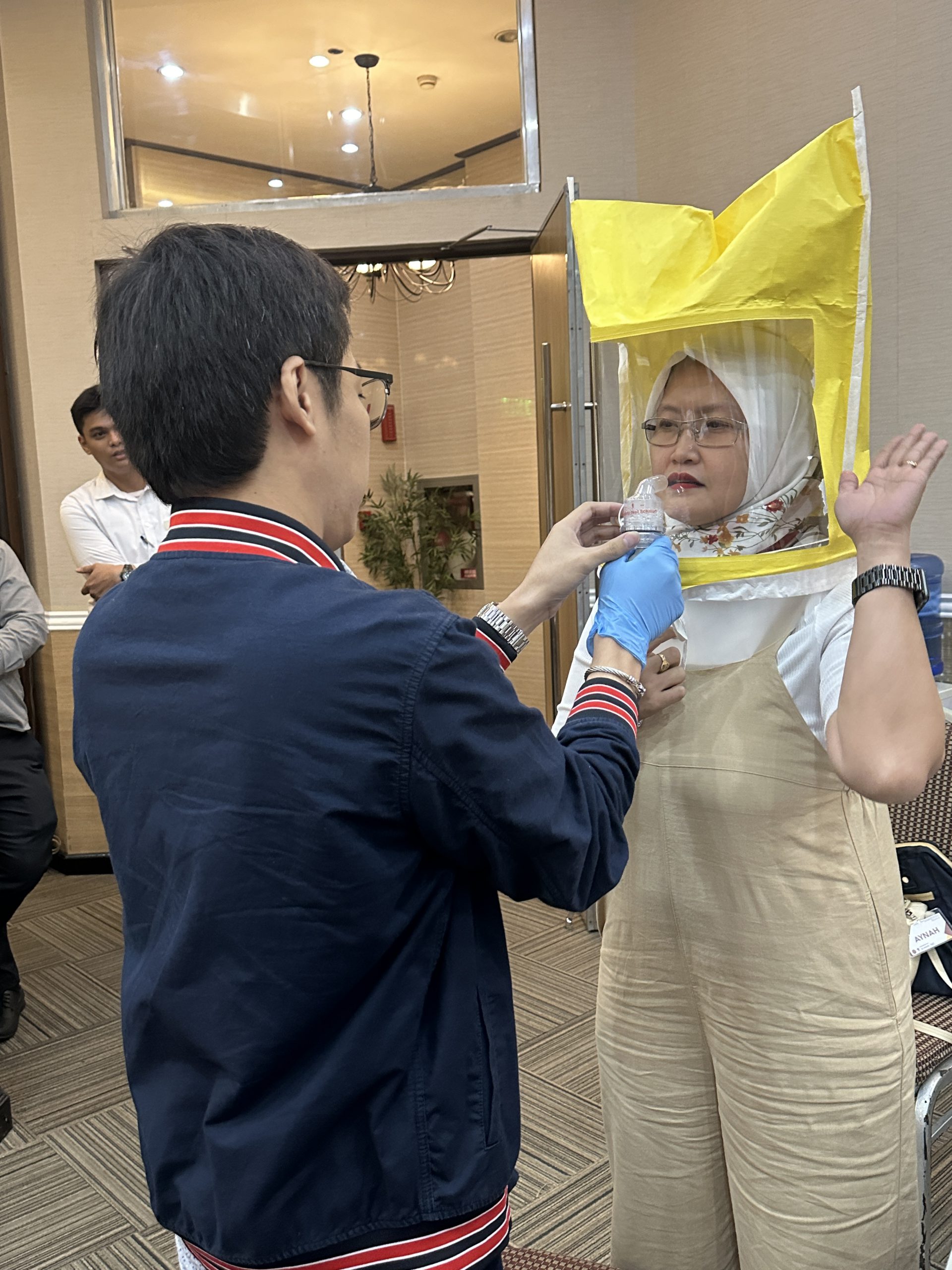
- Overview of biosafety and biosecurity governance
- Importance of institutional oversight
- National biosafety and biosecurity landscape in the Philippines
- Ethical foundations of biosafety and biosecurity
- Principles of ethical conduct in laboratory and research settings
- Responsibility, accountability, and integrity
- Ethical issues in handling biological materials
- Conflict of interest and confidentiality
- Case discussions on ethical dilemmas
- Composition, structure, and functions of IBBCs
- Roles and responsibilities of committee members
- Review and approval of research and laboratory activities
- Documentation, record-keeping, and reporting requirements
- Overview of relevant Philippine policies and regulations
- Institutional roles in compliance monitoring and enforcement
- Risk oversight and decision-making processes
- Coordination with regulatory and oversight agencies
- Establishing and strengthening institutional biosafety programs
- Training, awareness, and capacity building
- Monitoring, evaluation, and internal audits
- Promoting a culture of biosafety, biosecurity, and ethics
- Course synthesis and application of learning
The training is conducted onsite through lectures, discussions, case studies, and practical examples.
The course is intended for laboratory personnel, safety and security officers, researchers, facility managers, and institutional staff involved in the handling, management, or oversight of chemicals.
Key topics include chemical threats and vulnerabilities, risk assessment and prioritization, chemical safety and security controls, and incident prevention and response.
The course helps participants apply risk-based approaches to design effective measures that deter, detect, and delay potential chemical threats, while promoting safe and responsible chemical management.
Yes. The training supports the development and strengthening of institutional chemical safety, chemical security, and biorisk management programs.
Yes. A Certificate of Completion is awarded to participants who meet the course requirements.